
Post
How to Pack a Backpack Correctly: Tips for Maximum Efficiency and Comfort
May
# How to Pack a Backpack Correctly: Tips for Maximum Efficiency and Comfort

When it comes to travel, commuting, hiking, or everyday carry, few skills matter more than knowing how to pack a backpack correctly. Even the highest-quality backpack can become uncomfortable and inefficient if packed poorly. Proper packing affects everything from comfort and posture to accessibility and organization, making it one of the most important habits for anyone who regularly carries gear. How to Pack a Backpack Correctly
Many people focus heavily on backpack size or design while overlooking packing strategy. However, the way items are arranged inside the bag directly influences weight distribution, stability, and ease of use. Whether preparing for school, travel, outdoor adventures, or work, learning efficient packing techniques can dramatically improve daily experiences. How to Pack a Backpack Correctly
When packing a backpack effectively, several priorities matter: How to Pack a Backpack Correctly
* Weight distribution How to Pack a Backpack Correctly
* Accessibility How to Pack a Backpack Correctly
* Organization How to Pack a Backpack Correctly
* Comfort How to Pack a Backpack Correctly
* Stability How to Pack a Backpack Correctly
* Space efficiency How to Pack a Backpack Correctly
The goal is not simply fitting more items into a backpack—it is carrying them smarter. How to Pack a Backpack Correctly
—
# Why Proper Packing Matters How to Pack a Backpack Correctly
Poor packing creates problems quickly.
Common issues include:
* Shoulder strain
* Poor posture
* Difficulty finding items
* Unstable loads
* Wasted storage space
Packing strategy affects usability.
Small improvements create noticeable differences.
—
# Start by Choosing Essential Items Only
Before packing begins, evaluate what actually needs to be carried.
Many people overpack.
Common unnecessary items include:
* Duplicate accessories
* Rarely used tools
* Extra clothing
* Outdated supplies
Reducing unnecessary items improves efficiency.
—
# Why Minimal Packing Works Better
Carrying fewer items may improve:
* Comfort
* Mobility
* Organization
Less clutter creates better systems.
Simplicity improves efficiency.
—
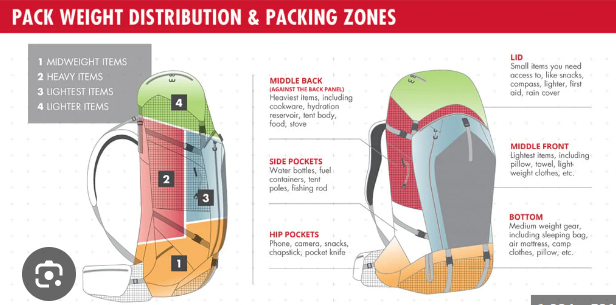
# Understand Backpack Zones
Most backpacks naturally divide into sections.
Typical areas include:
* Bottom section
* Center section
* Upper section
* Outer pockets
Each area serves different purposes.
Understanding zones improves organization.
—
# Why Backpack Zones Matter
Organized zones may improve:
* Accessibility
* Balance
* Packing speed
Structure reduces confusion.
Organization saves time.
—
# Place Heavy Items Near Your Back
Weight placement strongly affects comfort.
Heavy equipment should remain closer to the body.
Examples include:
* Electronics
* Books
* Water containers
Central positioning improves balance.
—
# Why Weight Placement Matters
Proper placement may improve:
* Stability
* Posture
* Carry comfort
Poor placement increases fatigue.
Balance improves efficiency.
—
# Keep Frequently Used Items Accessible
Accessibility improves productivity.
Items used often should remain easy to reach.
Examples include:
* Phones
* Chargers
* Wallets
* Snacks
Quick access reduces interruptions.
—
# Why Accessibility Matters
Easy access may improve:
* Daily convenience
* Time management
* Workflow efficiency
Searching wastes time.
Accessibility creates smoother routines.
—
# Use Compartments Intentionally
Compartments exist for organization.
Assign each section a purpose.
Useful categories may include:
* Electronics storage
* Documents
* Personal items
* Accessories
Intentional organization creates consistency.
—
# Why Compartments Improve Efficiency
Organized compartments may improve:
* Packing speed
* Protection
* Accessibility
Systems reduce clutter.
Consistency matters.
—
# Balance Weight From Side to Side
Uneven packing creates discomfort.
Balanced loads improve carrying experiences.
Distribute weight evenly.
Important priorities include:
* Symmetrical loading
* Balanced accessories
* Equal side distribution
Balance affects posture.
—
# Why Side-to-Side Balance Matters
Balanced loads may improve:
* Stability
* Comfort
* Carry efficiency
Uneven weight causes strain.
Symmetry improves movement.
—
# Compress Items Efficiently
Unused space creates movement.
Loose items shift during movement.
Compression improves organization.
Useful methods include:
* Rolling clothing
* Using pouches
* Tight packing systems
Reducing movement improves comfort.
—
# Why Compression Matters
Compression may improve:
* Space efficiency
* Stability
* Organization
Less movement means greater comfort.
Secure loads perform better.
—
# Protect Fragile Items
Many people carry valuable equipment.
Examples include:
* Laptops
* Tablets
* Cameras
* Glass containers
Protection should remain important.
—
# Why Protection Matters
Protective placement may reduce:
* Impact damage
* Scratches
* Equipment movement
Safe packing protects investments.
Care matters.
—
# Separate Liquids and Food Items
Leaks create problems.
Food and liquid separation improves organization.
Useful strategies include:
* Dedicated pockets
* Protective containers
* Sealed storage
Preparation reduces risk.
—
# Why Separation Matters
Separation may improve:
* Cleanliness
* Protection
* Organization
Accidents happen.
Prevention saves time.
—
# Use Small Organizers and Pouches
Smaller accessories disappear easily.
Organization tools help.
Examples include:
* Cable organizers
* Small pouches
* Storage cubes
Grouping improves efficiency.
—
# Why Organizers Help
Organizers may improve:
* Accessibility
* Clutter reduction
* Packing speed
Small systems create large improvements.
Organization scales well.
—
# Prepare for Emergencies Without Overpacking
Preparedness matters.
Useful emergency items may include:
* Portable chargers
* First-aid supplies
* Backup batteries
Preparation should remain practical.
—
# Why Balanced Preparation Matters
Reasonable preparation may improve:
* Reliability
* Confidence
* Convenience
Overpacking creates unnecessary weight.
Balance matters.
—
# Adjust Straps After Packing
Packing changes backpack shape.
Adjustment improves comfort.
Important adjustments include:
* Shoulder straps
* Chest straps
* Compression straps
Fit affects comfort.
—
# Why Fit Adjustments Matter
Proper adjustments may improve:
* Stability
* Weight distribution
* Comfort
Even perfect packing requires proper fit.
Small adjustments matter.
—
# Common Packing Mistakes
Many people repeat similar mistakes.
Examples include:
* Overpacking
* Poor weight distribution
* Ignoring organization
* Uneven loading
Avoiding mistakes improves comfort.
Planning helps.
—
# Maintenance and Repacking Habits
Packing systems require maintenance.
Helpful habits include:
* Removing clutter regularly
* Reorganizing weekly
* Cleaning compartments
Maintenance protects efficiency.
Good habits create consistency.
—
# Why Choose This Product?
Effective packing systems provide several advantages.
Major benefits include:
* Better comfort
* Improved organization
* Greater efficiency
* Reduced fatigue
* Better accessibility
* Increased stability
Packing correctly transforms the backpack experience.
Organization improves performance.
—
# Conclusion
Learning how to pack a backpack correctly is one of the simplest ways to improve comfort, productivity, and efficiency during daily activities, travel, and outdoor adventures. Proper packing techniques influence posture, balance, accessibility, and organization far more than many people realize.
Strategies such as balanced weight placement, intentional compartment use, accessibility planning, and reducing unnecessary items create noticeable improvements in everyday comfort. Even small adjustments can significantly change how a backpack feels and performs.
As people carry more gear for work, school, travel, and recreation, packing efficiently becomes increasingly valuable.
For anyone seeking better comfort and smarter organization, mastering backpack packing techniques remains one of the most effective skills they can develop.
