
Post
Cycling Backpacks and Bike Packs: Stay Safe and Organized on Two Wheels
May
Here is the rewritten article following your requested structure and expanded to approximately 1000+ words. Cycling Backpacks and Bike Packs

# Cycling Backpacks and Bike Packs: Stay Safe and Organized on Two Wheels Cycling Backpacks and Bike Packs
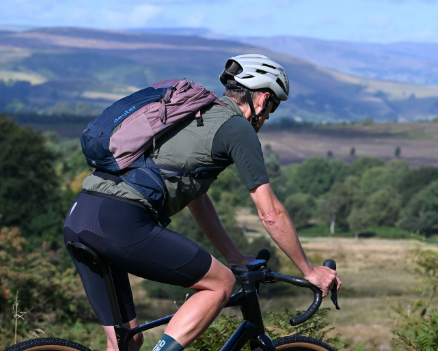
When it comes to cycling gear and everyday riding essentials, few equipment choices matter more than selecting the right backpack. Whether commuting through busy streets, tackling long-distance rides, exploring mountain trails, or enjoying weekend cycling sessions, riders need storage solutions that remain comfortable, secure, and organized. Cycling backpacks and bike packs are specifically designed to support movement, improve balance, and keep essential gear accessible while riding. Cycling Backpacks and Bike Packs
Unlike ordinary backpacks, cycling packs must account for body movement, changing weather conditions, safety requirements, and extended riding periods. Choosing the right pack can significantly improve comfort and convenience while reducing distractions during rides. Cycling Backpacks and Bike Packs
When selecting a cycling backpack, important priorities often include: Cycling Backpacks and Bike Packs
* Comfortable fit Cycling Backpacks and Bike Packs
* Lightweight construction Cycling Backpacks and Bike Packs
* Organized storage Cycling Backpacks and Bike Packs
* Weather resistance Cycling Backpacks and Bike Packs
* Safety features Cycling Backpacks and Bike Packs
* Ventilation systems Cycling Backpacks and Bike Packs
The best cycling backpacks combine performance, practicality, and comfort to support riders across different environments. Cycling Backpacks and Bike Packs
—
# Why Cycling-Specific Backpacks Matter
Cycling creates unique challenges.
Riders frequently carry:
* Water bottles
* Clothing layers
* Repair tools
* Snacks
* Electronics
* Personal items
Traditional backpacks may shift excessively during movement.
Purpose-built cycling packs improve:
* Stability
* Comfort
* Accessibility
* Organization
Specialized designs support safer riding.
—
# Comfort During Long Rides
Cyclists often wear backpacks for extended periods.
Comfort becomes essential.
Important comfort features often include:
* Adjustable straps
* Lightweight materials
* Ergonomic designs
* Breathable back panels
Comfort affects endurance.
—
# Why Fit Matters While Riding
Poor fit creates movement.
Movement creates discomfort.
A properly fitted pack may improve:
* Stability
* Weight distribution
* Riding confidence
Secure positioning reduces distractions.
Comfort improves focus.
—
# Lightweight Construction Improves Mobility
Cyclists benefit from minimizing unnecessary weight.
Heavy backpacks create fatigue.
Lighter designs may improve:
* Riding efficiency
* Mobility
* Comfort
Every gram matters during long rides.
Weight reduction supports endurance.
—
# Weight Distribution and Balance
Balance strongly affects riding performance.
Uneven loads create instability.
Cycling backpacks should distribute weight effectively.
## Why Weight Distribution Matters
Balanced loads may improve:
* Riding control
* Stability
* Comfort
Better balance creates smoother movement.
Control improves safety.
—
# Ventilation Systems Reduce Heat Build-Up
Cycling generates body heat.
Backpacks often trap moisture.
Ventilation systems improve airflow.
Common ventilation features include:
* Breathable materials
* Air channels
* Mesh contact surfaces
Airflow improves comfort.
—
# Why Ventilation Matters
Improved airflow may reduce:
* Sweat buildup
* Heat retention
* Carry discomfort
Cooler riders often feel more comfortable.
Temperature management matters.
—
# Storage Organization for Cycling Essentials
Cyclists carry many categories of gear.
Common examples include:
* Repair kits
* Pumps
* Clothing
* Food
* Electronics
Organization improves efficiency.
—
# Why Compartments Matter
Organized storage helps riders:
* Find gear quickly
* Separate equipment
* Reduce clutter
## Benefits of Better Organization
Good layouts improve:
* Accessibility
* Convenience
* Ride preparation
Organization saves time.
Preparation matters.
—
# Hydration Storage and Accessibility
Hydration remains important during rides.
Cyclists often need easy access to water.
Storage flexibility supports hydration planning.
—
# Why Hydration Access Matters
Accessible hydration may improve:
* Endurance
* Comfort
* Ride efficiency
Preparation supports longer rides.
Convenience matters.
—
# Weather Resistance for Changing Conditions
Cyclists frequently encounter changing weather.
Common conditions include:
* Rain
* Wind
* Dust
* Humidity
Protective materials improve reliability.
—
# Why Weather Protection Matters
Weather resistance may improve:
* Gear protection
* Equipment reliability
* Riding confidence
Unexpected conditions happen frequently.
Prepared riders adapt easier.
—
# Visibility and Rider Safety
Safety remains one of the biggest priorities.
Cyclists often ride in:
* Low light conditions
* Urban traffic
* Busy roads
Visibility features help improve awareness.
—
# Safety Features Worth Considering
Useful safety elements may include:
* Reflective materials
* High-visibility accents
* Secure strap systems
* Stable carrying designs
## Why Safety Features Matter
Safety-focused designs may improve:
* Rider visibility
* Confidence
* Overall comfort
Small details improve protection.
—
# Stability During Movement
Cycling involves constant motion.
Backpacks should remain secure.
Movement reduction improves comfort.
Important priorities include:
* Tight fit systems
* Adjustable straps
* Balanced weight placement
Stability matters.
—
# Why Stability Matters
Stable backpacks may improve:
* Riding confidence
* Efficiency
* Safety
Less movement means fewer distractions.
Focus remains on riding.
—
# Durability for Daily Use
Cycling backpacks experience heavy use.
Daily riding creates wear through:
* Weather exposure
* Frequent packing
* Outdoor conditions
Durability becomes essential.
—
# Construction Features Worth Prioritizing
Reliable backpacks often emphasize:
* Reinforced stitching
* Strong zippers
* Durable fabrics
* Wear-resistant materials
## Why Durability Matters
Durable construction may improve:
* Product lifespan
* Reliability
* Long-term value
Strong gear supports frequent riding.
—
# Commuting vs Recreational Cycling Needs
Different riders need different features.
Commuters often prioritize:
* Laptop storage
* Organization
* Professional appearance
Recreational riders often prioritize:
* Lightweight designs
* Hydration support
* Minimal weight
Use case determines priorities.
—
# Multi-Purpose Versatility
Many cycling backpacks support multiple activities.
Examples include:
* Hiking
* Travel
* Daily commuting
* Fitness routines
Versatility increases value.
—
# Why Multi-Use Designs Matter
Flexible backpacks provide:
* Better cost efficiency
* Greater convenience
* Long-term usability
Adaptability improves ownership satisfaction.
—
# Common Buying Mistakes
Some mistakes happen repeatedly.
Examples include:
* Choosing oversized backpacks
* Ignoring ventilation
* Overpacking gear
* Prioritizing appearance only
Functionality should guide decisions.
Planning matters.
—
# Maintenance Tips for Longer Lifespan
Cycling backpacks require care.
Helpful maintenance habits include:
* Cleaning regularly
* Drying thoroughly
* Inspecting straps
* Avoiding excessive loads
Maintenance protects long-term value.
Care extends durability.
—
# Why Choose This Product?
Cycling backpacks provide several important advantages.
Major benefits include:
* Better organization
* Improved comfort
* Enhanced stability
* Greater safety
* Weather protection
* Better mobility
Purpose-built designs support more efficient riding.
Comfort and functionality work together.
—
# Conclusion
Cycling backpacks and bike packs are designed to support movement, organization, and safety while meeting the unique demands of riding. Features such as lightweight construction, ergonomic fit systems, ventilation panels, organized storage compartments, and weather resistance significantly improve riding experiences.
Whether commuting through city streets, training for long rides, or exploring outdoor routes, choosing the right backpack improves comfort and efficiency while reducing unnecessary distractions.
As cycling continues growing as both transportation and recreation, specialized backpacks designed around rider needs become increasingly valuable.
For cyclists seeking comfort, organization, and improved performance on two wheels, selecting the right backpack remains one of the smartest gear investments available.
