
Post
How to Organize Your Backpack for Maximum Daily Productivity
May
Here is the rewritten article following your requested structure and expanded to approximately 1000+ words. How to Organize Your Backpack for Maximum Daily Productivity

# How to Organize Your Backpack for Maximum Daily Productivity How to Organize Your Backpack for Maximum Daily Productivity
When it comes to everyday essentials and personal organization, few decisions matter more than how you organize your backpack. A backpack is more than a bag—it acts as a portable workspace, storage solution, and daily support system that follows you throughout work, school, commuting, travel, or personal activities. Poor organization creates wasted time, frustration, and unnecessary stress, while a properly organized backpack improves efficiency and productivity. How to Organize Your Backpack for Maximum Daily Productivity
Many people focus heavily on choosing the right backpack but spend little time creating an organization system. However, the way items are packed often matters just as much as the backpack itself. Thoughtful organization reduces clutter, protects valuables, improves accessibility, and helps maintain focus throughout the day. How to Organize Your Backpack for Maximum Daily Productivity
When organizing a backpack for productivity, several priorities become important: How to Organize Your Backpack for Maximum Daily Productivity
* Easy accessibility How to Organize Your Backpack for Maximum Daily Productivity
* Smart compartment usage How to Organize Your Backpack for Maximum Daily Productivity
* Weight distribution How to Organize Your Backpack for Maximum Daily Productivity
* Reduced clutter How to Organize Your Backpack for Maximum Daily Productivity
* Efficient storage systems How to Organize Your Backpack for Maximum Daily Productivity
* Daily consistency How to Organize Your Backpack for Maximum Daily Productivity
The goal is not simply carrying more items—it is carrying the right items in the right places. How to Organize Your Backpack for Maximum Daily Productivity
—
# Why Backpack Organization Matters How to Organize Your Backpack for Maximum Daily Productivity
Disorganized backpacks create problems. How to Organize Your Backpack for Maximum Daily Productivity
People commonly experience: How to Organize Your Backpack for Maximum Daily Productivity
* Lost items How to Organize Your Backpack for Maximum Daily Productivity
* Slower routines How to Organize Your Backpack for Maximum Daily Productivity
* Extra stress How to Organize Your Backpack for Maximum Daily Productivity
* Forgotten essentials
Small inefficiencies accumulate quickly.
Good organization improves:
* Productivity
* Convenience
* Time management
* Focus
Preparation supports performance.
—
# Start With Decluttering
Organization starts with removing unnecessary items.
Many backpacks collect:
* Old receipts
* Unused accessories
* Empty containers
* Forgotten items
Clutter reduces efficiency.
—
# Why Decluttering Matters
Removing unnecessary items may improve:
* Accessibility
* Weight reduction
* Organization
Less clutter creates clearer systems.
Simple setups work better.
—
# Create Dedicated Storage Zones
Every item should have a designated location.
Useful categories often include:
* Electronics
* Documents
* Personal items
* Food and drinks
* Accessories
Assigned locations reduce confusion.
—
# Why Storage Zones Improve Productivity
Dedicated zones may improve:
* Packing speed
* Item retrieval
* Routine consistency
Predictability saves time.
Organization creates habits.
—
# Prioritize Frequently Used Items
Accessibility matters.
Items used often should remain easy to reach.
Examples include:
* Phones
* Wallets
* Chargers
* Water bottles
Convenient placement improves efficiency.
—
# Why Accessibility Matters
Easy access may improve:
* Workflow efficiency
* Daily convenience
* Reduced interruptions
Searching wastes time.
Fast access supports productivity.
—
# Organize by Frequency of Use
Not all items require equal access.
Useful categories include:
* Frequently used items
* Occasionally used items
* Emergency items
Strategic placement creates better organization.
—
# Why Frequency-Based Packing Works
Prioritization may improve:
* Accessibility
* Packing efficiency
* Workflow speed
Thoughtful placement saves effort.
Efficiency matters.
—
# Weight Distribution Improves Comfort
Organization affects comfort.
Heavy items should remain positioned carefully.
Balanced loads improve carrying experiences.
—
# Why Weight Placement Matters
Proper weight distribution may improve:
* Posture
* Stability
* Carry comfort
Poor balance creates fatigue.
Comfort supports productivity.
—
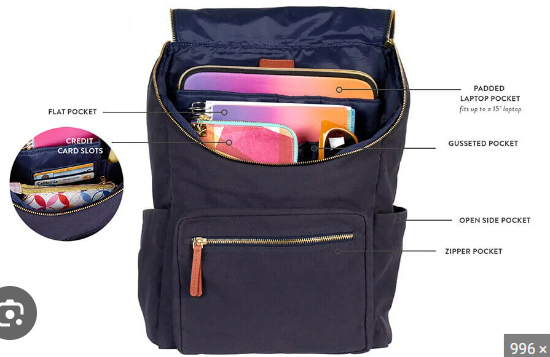
# Use Compartments Effectively
Compartments exist for organization.
Use them intentionally.
Examples include:
* Electronics sections
* Small accessory pockets
* Main storage compartments
Structure improves efficiency.
—
# Why Compartments Matter
Organized compartments may improve:
* Accessibility
* Protection
* Packing consistency
Well-used storage creates better routines.
Systems simplify life.
—
# Protect Electronics and Valuables
Many people carry expensive items daily.
Examples include:
* Laptops
* Tablets
* Phones
* Chargers
Protection should remain important.
—
# Why Device Protection Matters
Protective organization may reduce:
* Damage risks
* Scratches
* Equipment movement
Safe storage protects investments.
Security matters.
—
# Minimize Duplicate Items
People often carry unnecessary duplicates.
Examples include:
* Extra chargers
* Multiple notebooks
* Unused accessories
Reducing duplication improves efficiency.
—
# Why Simplification Helps
Simpler setups may improve:
* Organization
* Weight reduction
* Packing speed
Less gear often means less stress.
Minimalism improves mobility.
—
# Prepare for Emergencies Without Overpacking
Preparedness matters.
Useful backup items may include:
* Chargers
* Small first-aid supplies
* Portable batteries
* Essential documents
Preparation should remain practical.
—
# Why Balance Matters
Balanced preparation may improve:
* Confidence
* Convenience
* Reliability
Preparation helps productivity.
Overpacking reduces mobility.
—
# Build Consistent Packing Habits
Organization requires consistency.
Helpful habits include:
* Packing nightly
* Returning items immediately
* Reviewing contents regularly
Consistency maintains systems.
—
# Why Habits Matter
Consistent habits may improve:
* Efficiency
* Reliability
* Time management
Systems work best when maintained.
Routine creates productivity.
—
# Keep Food and Liquids Organized
Food storage requires planning.
Poor organization creates messes.
Separate storage improves cleanliness.
—
# Why Separation Matters
Organized food storage may improve:
* Hygiene
* Accessibility
* Protection for electronics
Clean organization supports better experiences.
Small details matter.
—
# Maintain Your Organization System
Organization changes over time.
Regular reviews help.
Helpful maintenance habits include:
* Removing clutter weekly
* Checking unused items
* Updating storage layouts
Maintenance protects efficiency.
—
# Why Maintenance Matters
Regular adjustments may improve:
* Long-term organization
* Productivity
* Daily convenience
Systems require upkeep.
Maintenance prevents chaos.
—
# Common Organization Mistakes
Common mistakes include:
* Carrying unnecessary items
* Ignoring weight balance
* Overstuffing compartments
* Creating inconsistent routines
Avoiding mistakes improves results.
Planning matters.
—
# Why Choose This Product?
An organized backpack system provides many advantages.
Major benefits include:
* Better productivity
* Faster routines
* Reduced clutter
* Improved comfort
* Better accessibility
* Greater efficiency
Smart organization transforms everyday experiences.
Preparation becomes easier.
—
# Conclusion
Backpack organization directly influences productivity, efficiency, and daily comfort. While selecting the right backpack matters, creating systems for accessibility, weight distribution, storage zones, and routine maintenance often produces even greater benefits.
Features such as organized compartments, intentional packing strategies, reduced clutter, and consistent routines help users stay focused while minimizing unnecessary stress. Whether commuting, studying, traveling, or working, an organized backpack supports smoother daily experiences.
As people carry more tools, devices, and responsibilities each day, organization becomes increasingly valuable.
For anyone looking to improve efficiency and simplify routines, organizing a backpack thoughtfully remains one of the easiest and most effective productivity upgrades available.
