
Post
Backpack Safety Tips: How to Prevent Back Pain and Injury
May
# Backpack Safety Tips: How to Prevent Back Pain and Injury Backpack Safety Tips

When it comes to daily comfort and long-term health, few equipment choices matter more than selecting and using a backpack correctly. Backpacks are part of everyday life for students, commuters, travelers, outdoor enthusiasts, and professionals. However, carrying backpacks improperly can contribute to discomfort, poor posture, muscle strain, and unnecessary fatigue. Understanding backpack safety principles helps reduce these risks while improving comfort and mobility. Backpack Safety Tips
Many people focus primarily on storage capacity or appearance while overlooking how backpack use affects the body. Weight distribution, fit, organization, and carrying habits all influence physical comfort. Learning proper backpack techniques can make daily routines easier while reducing stress on muscles and joints. Backpack Safety Tips
When considering backpack safety, important priorities include: Backpack Safety Tips
* Proper fit Backpack Safety Tips
* Weight distribution Backpack Safety Tips
* Organization Backpack Safety Tips
* Ergonomic support Backpack Safety Tips
* Comfortable carrying habits Backpack Safety Tips
* Load management Backpack Safety Tips
The goal is not simply carrying belongings—it is carrying them safely. Backpack Safety Tips
—
# Why Backpack Safety Matters
Backpacks are often used for extended periods.
Heavy or poorly fitted bags may create:
* Muscle strain
* Poor posture
* Shoulder discomfort
* Fatigue
Small problems can become habits.
Safe carrying practices improve comfort.
—
# Understanding Common Causes of Backpack Discomfort
Back pain rarely comes from one factor.
Common contributors include:
* Excessive weight
* Poor packing habits
* Uneven loads
* Incorrect strap adjustments
Multiple small mistakes create larger problems.
Awareness improves prevention.
—
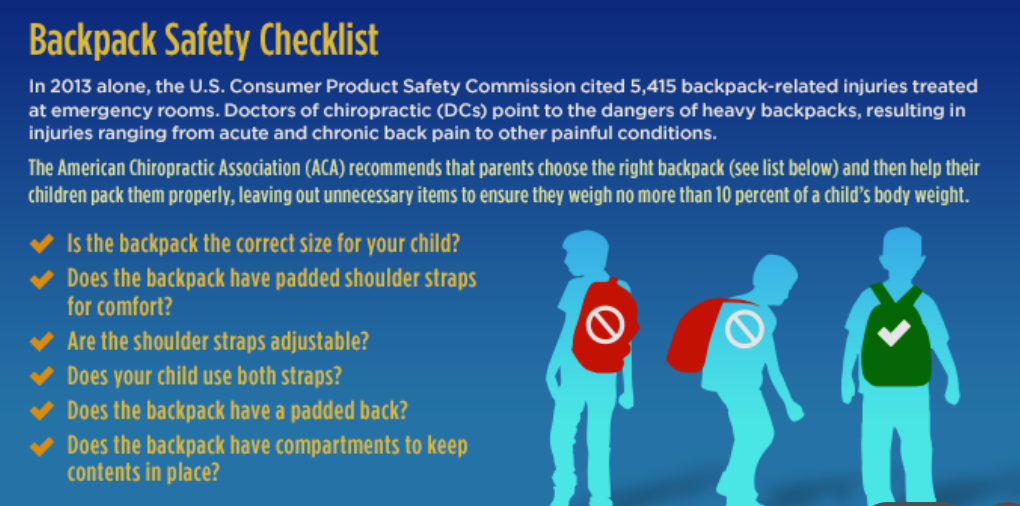
# Choose the Correct Backpack Size
Size strongly affects comfort.
Oversized backpacks encourage overpacking.
Small backpacks may create poor weight distribution.
Proper sizing matters.
—
# Why Backpack Size Matters
Correct sizing may improve:
* Weight balance
* Mobility
* Carry comfort
Matching size to needs reduces strain.
Balance matters.
—
# Prioritize Ergonomic Features
Comfort-focused designs improve usability.
Useful ergonomic features often include:
* Adjustable straps
* Padded support systems
* Breathable materials
* Balanced construction
Support reduces pressure.
—
# Why Ergonomics Matter
Better ergonomic systems may improve:
* Posture
* Weight distribution
* Long-term comfort
Poor support increases fatigue.
Comfort improves consistency.
—
# Pack Heavier Items Correctly
Packing strategy affects body mechanics.
Heavy objects should remain close to the body.
Examples include:
* Books
* Electronics
* Water bottles
Weight placement matters.
—
# Why Weight Placement Matters
Proper placement may improve:
* Stability
* Posture
* Balance
Poor placement creates pulling forces.
Organization affects comfort.
—
# Avoid Carrying Excessive Weight
Overloading creates unnecessary stress.
Many people carry unused items.
Reducing unnecessary weight improves comfort.
—
# Why Weight Reduction Matters
Lower loads may improve:
* Endurance
* Mobility
* Carry efficiency
Less weight means less strain.
Simple changes help.
—
# Use Both Shoulder Straps
Using one strap creates imbalance.
Uneven carrying affects posture.
Balanced carrying improves comfort.
—
# Why Two Straps Matter
Using both straps may improve:
* Stability
* Weight distribution
* Shoulder comfort
Symmetry reduces strain.
Balance protects posture.
—
# Adjust Straps Properly
Strap length changes backpack positioning.
Loose backpacks move excessively.
Tight adjustments improve support.
—
# Why Strap Adjustments Matter
Proper adjustments may improve:
* Stability
* Comfort
* Weight management
Fit influences carrying efficiency.
Small adjustments matter.
—
# Keep the Backpack Close to Your Body
Backpacks positioned too low create leverage.
Leverage increases strain.
Proper positioning improves balance.
—
# Why Positioning Matters
Correct positioning may improve:
* Weight control
* Posture
* Carry comfort
Closer loads feel lighter.
Body mechanics matter.
—
# Organize Compartments Efficiently
Organization affects stability.
Loose items shift during movement.
Structured packing improves control.
—
# Why Organization Matters
Good organization may improve:
* Weight distribution
* Accessibility
* Stability
Better organization supports safer carrying.
Efficiency matters.
—
# Strengthen Daily Carry Habits
Good habits improve comfort.
Helpful habits include:
* Repacking regularly
* Removing unnecessary items
* Monitoring weight
Consistency matters.
—
# Why Habits Matter
Consistent habits may improve:
* Long-term comfort
* Organization
* Injury prevention
Small habits create large results.
—
# Consider Activity-Specific Needs
Different activities create different requirements.
Examples include:
* School use
* Hiking
* Travel
* Commuting
Use case affects priorities.
—
# Why Activity Matters
Activity-specific choices may improve:
* Comfort
* Efficiency
* Safety
Different environments require different solutions.
—
# Take Breaks During Long Carry Periods
Extended carrying increases fatigue.
Regular breaks reduce stress.
Short adjustments improve comfort.
—
# Why Breaks Matter
Breaks may improve:
* Muscle recovery
* Comfort
* Endurance
Continuous pressure creates fatigue.
Recovery supports performance.
—
# Maintain Good Posture While Carrying
Backpack use influences posture.
Good posture supports comfort.
Important habits include:
* Standing upright
* Avoiding forward leaning
* Keeping shoulders balanced
Posture matters.
—
# Why Posture Matters
Better posture may improve:
* Comfort
* Balance
* Long-term mobility
Body position affects strain.
Awareness helps.
—
# Watch for Early Warning Signs
Discomfort often develops gradually.
Signs to monitor include:
* Shoulder soreness
* Neck discomfort
* Persistent fatigue
* Uneven pressure points
Early adjustments matter.
—
# Why Monitoring Symptoms Helps
Recognizing problems early may improve:
* Comfort
* Injury prevention
* Long-term habits
Small problems become larger if ignored.
Prevention matters.
—
# Maintenance and Backpack Care
Backpacks require maintenance.
Helpful habits include:
* Cleaning regularly
* Inspecting straps
* Checking wear points
Equipment condition affects safety.
—
# Why Maintenance Matters
Maintenance may improve:
* Durability
* Reliability
* Carry comfort
Well-maintained gear performs better.
Care extends lifespan.
—
# Common Backpack Safety Mistakes
Many people repeat similar mistakes.
Examples include:
* Overpacking
* Ignoring fit
* Carrying uneven loads
* Using one strap
Awareness improves outcomes.
Prevention works better.
—
# Why Choose This Product?
Backpack safety practices provide many advantages.
Major benefits include:
* Reduced discomfort
* Better posture
* Improved organization
* Enhanced comfort
* Better mobility
* Reduced strain
Small adjustments create meaningful improvements.
Comfort supports everyday performance.
—
# Conclusion
Backpack safety involves much more than simply carrying belongings. Proper fit, balanced weight distribution, ergonomic support systems, and thoughtful packing strategies all contribute to comfort and injury prevention. Small adjustments—such as reducing unnecessary weight, using both straps, organizing items carefully, and maintaining good posture—can significantly improve daily experiences.
Whether used for school, work, travel, or outdoor adventures, backpacks should support movement rather than create discomfort. Understanding how backpacks interact with posture and body mechanics helps users make smarter choices while reducing physical strain.
As people continue carrying more equipment throughout daily life, backpack safety becomes increasingly important.
Learning proper backpack habits today can lead to greater comfort, better mobility, and healthier long-term carrying practices.
