
Post
School Backpacks for Kids: What Parents Need to Know Before Buying
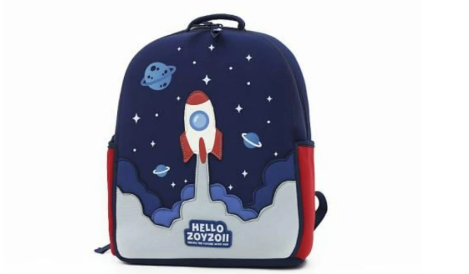
May
Here is the rewritten article following your requested structure and expanded to approximately 1000+ words. School Backpacks for Kids
# School Backpacks for Kids: What Parents Need to Know Before Buying School Backpacks for Kids
When it comes to children’s school essentials, few purchases matter more than choosing the right backpack. A school backpack is more than just a bag for carrying books—it becomes part of a child’s daily routine, supporting comfort, organization, mobility, and even long-term physical health. Parents often focus on appearance or price first, but selecting the right backpack involves balancing comfort, durability, storage, safety, and age-appropriate design. School Backpacks for Kids
Today’s students carry much more than notebooks. Laptops, tablets, lunch boxes, sports equipment, water bottles, and school supplies have increased the demands placed on backpacks. Because children use backpacks almost every day, choosing carefully can improve comfort and reduce unnecessary strain. School Backpacks for Kids
Parents shopping for school backpacks should focus on several priorities: School Backpacks for Kids
* Comfort and ergonomics School Backpacks for Kids
* Appropriate size School Backpacks for Kids
* Storage organization School Backpacks for Kids
* Durability School Backpacks for Kids
* Safety features School Backpacks for Kids
* Everyday practicality School Backpacks for Kids
A good backpack supports both learning and healthy daily habits. School Backpacks for Kids
School Backpacks for Kids
— School Backpacks for Kids
# Understanding Why Backpack Selection Matters
Many parents underestimate how frequently backpacks are used.
Children carry backpacks during:
* School commutes
* Walking home
* Field trips
* Sports activities
* Travel situations
* After-school programs
A poorly designed backpack may create discomfort and frustration.
Choosing the right backpack can improve:
* Organization
* Comfort
* Independence
* Daily convenience
Small improvements often create better routines.
—
# Choosing the Correct Backpack Size
Size is one of the most important factors.
Bigger does not always mean better.
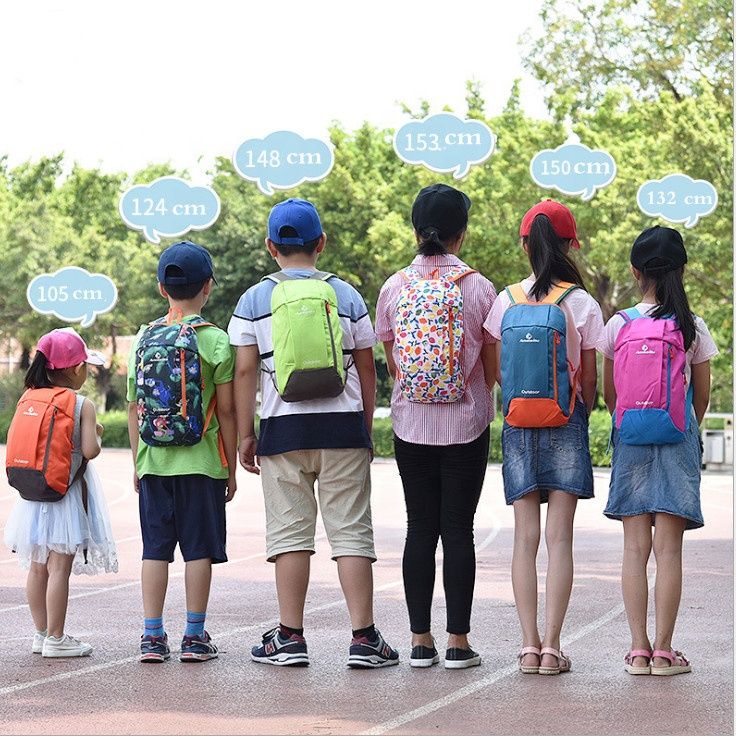
Parents should avoid backpacks that appear oversized compared to the child’s body.
## Why Proper Sizing Matters
Correct sizing may help improve:
* Weight distribution
* Comfort
* Mobility
* Posture
Oversized bags often encourage children to carry unnecessary items.
Smaller, properly fitted backpacks usually feel easier to manage.
—
# Weight Considerations for Growing Kids
Children already carry heavy school supplies.
Adding excessive backpack weight creates additional strain.
## Why Lightweight Design Matters
Lighter backpacks may improve:
* Walking comfort
* Energy levels
* Daily mobility
Heavy bags can become uncomfortable during long school days.
Reducing unnecessary weight improves usability.
—
# Comfort and Ergonomic Features
Comfort directly affects whether children enjoy using their backpacks.
Useful comfort features often include:
* Adjustable shoulder straps
* Soft padding
* Breathable materials
* Balanced construction
These features help improve carrying comfort.
—
# Shoulder Straps and Support Systems
Straps play a major role in comfort.
Well-designed straps may help reduce:
* Shoulder pressure
* Uneven weight distribution
* Carry fatigue
Children should be able to adjust straps easily.
Comfort improves when backpacks fit correctly.
—
# Storage Organization for School Supplies
Organization helps children manage responsibilities.
Students often carry:
* Textbooks
* Notebooks
* Lunch containers
* Electronics
* Writing supplies
Good storage systems simplify routines.
—
# Why Multiple Compartments Matter
Organized layouts help children:
* Find items faster
* Separate supplies
* Reduce clutter
## Benefits of Better Organization
Structured storage may improve:
* Independence
* Time management
* Packing habits
Organization becomes especially important during busy school mornings.
—
# Durability for Daily School Use
School backpacks experience heavy wear.
Children often place bags on:
* Floors
* Playgrounds
* Buses
* Lockers
Reliable construction matters.
## Durability Features to Look For
Parents often value:
* Reinforced stitching
* Durable materials
* Strong zippers
* Wear-resistant fabrics
Durability improves long-term value.
Strong backpacks usually last longer.
—
# Safety Features Parents Should Consider
Safety extends beyond protection from damage.
Parents should evaluate:
* Reflective elements
* Secure closures
* Comfortable fit
* Visibility features
Safety-focused design supports daily use.
—
# Visibility and Travel Safety
Children frequently travel during early mornings or afternoons.
Visibility features may improve:
* Awareness
* Safety during commuting
* Outdoor visibility
Small details can matter significantly.
Practical safety features provide peace of mind.
—
# Water Resistance and Weather Protection
School bags encounter changing weather conditions.
Children may experience:
* Rain
* Humidity
* Spilled drinks
* Wet playgrounds
Protective materials improve reliability.
## Why Weather Protection Matters
Water-resistant materials may help reduce:
* Moisture exposure
* Damage to school supplies
* Wear over time
Weather adaptability improves usefulness.
—
# Technology-Friendly School Bags
Many students now carry technology.
Common devices include:
* Tablets
* Laptops
* Headphones
Protective storage becomes increasingly important.
## Why Technology Protection Matters
Protective compartments may reduce:
* Device movement
* Scratches
* Organization problems
Technology continues becoming more common in education.
—
# Style vs Practicality
Children often prioritize appearance.
Parents often prioritize function.
The best backpacks balance both.
## Important Balance Factors
Good backpack choices combine:
* Attractive designs
* Comfortable construction
* Durable materials
* Practical layouts
Children are more likely to use bags they enjoy carrying.
Practicality remains important.
—
# Age-Specific Considerations
Different age groups require different designs.
Younger children often benefit from:
* Smaller sizes
* Lightweight construction
* Simple layouts
Older students may require:
* More storage
* Device compartments
* Larger capacity
Age affects backpack requirements significantly.
—
# Cleaning and Maintenance
Backpacks last longer with maintenance.
Parents should:
* Clean regularly
* Empty bags weekly
* Inspect zippers
* Avoid overloading
Maintenance improves lifespan.
Care protects investment value.
—
# Common Mistakes Parents Should Avoid
Some purchasing mistakes occur frequently.
Common issues include:
* Buying oversized backpacks
* Prioritizing appearance only
* Ignoring comfort features
* Overlooking storage needs
Avoiding these mistakes improves satisfaction.
Careful selection prevents problems later.
—
# Why Choose This Product?
A well-designed school backpack offers several advantages.
Key benefits include:
* Better comfort
* Improved organization
* Enhanced durability
* Practical storage solutions
* Safer carrying experiences
* Greater long-term value
Choosing carefully helps support both daily routines and healthy habits.
The right backpack becomes a reliable everyday companion.
—
# Conclusion
Choosing the right school backpack involves much more than selecting colors or patterns. Parents should evaluate comfort, durability, organization, safety, and age-appropriate sizing to ensure children receive the support they need throughout the school year.
A backpack influences how comfortably children move, how efficiently they organize supplies, and how confidently they manage their daily responsibilities. Features such as ergonomic support, weather resistance, practical storage systems, and durable materials contribute significantly to long-term satisfaction.
As educational demands continue changing and students carry more supplies than ever before, investing time in selecting the right backpack becomes increasingly valuable.
For parents searching for a backpack that balances comfort, functionality, organization, and durability, understanding these key factors helps make a smarter and more practical decision.
