
Post
How to Choose a Backpack for Climbing and Alpine Mountaineering
May
Here is the rewritten article following your requested structure and expanded to approximately 1000+ words. How to Choose a Backpack for Climbing and Alpine Mountaineering

# How to Choose a Backpack for Climbing and Alpine Mountaineering How to Choose a Backpack for Climbing and Alpine Mountaineering
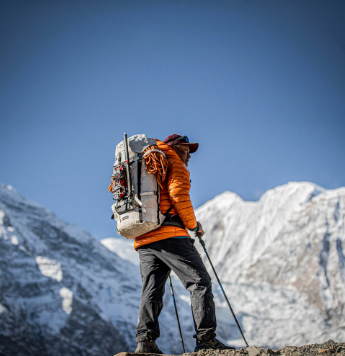
When it comes to climbing equipment and mountain adventures, few gear choices matter more than selecting the right backpack. Alpine mountaineering and climbing place unique demands on equipment because every piece of gear must perform reliably in challenging terrain, changing weather, and physically demanding environments. A climbing backpack is not simply a storage solution—it becomes part of a climber’s movement system, safety strategy, and efficiency in the mountains. How to Choose a Backpack for Climbing and Alpine Mountaineering
Unlike general hiking backpacks, alpine and climbing packs prioritize mobility, weight reduction, gear attachment systems, and efficient organization. Climbers often carry technical equipment, extra layers, food supplies, safety tools, and navigation gear while moving through steep terrain where balance and freedom of movement are essential. How to Choose a Backpack for Climbing and Alpine Mountaineering
When choosing a backpack for climbing and alpine mountaineering, important priorities include: How to Choose a Backpack for Climbing and Alpine Mountaineering
* Weight and pack size How to Choose a Backpack for Climbing and Alpine Mountaineering
* Carry comfort How to Choose a Backpack for Climbing and Alpine Mountaineering
* Gear organization How to Choose a Backpack for Climbing and Alpine Mountaineering
* Durability How to Choose a Backpack for Climbing and Alpine Mountaineering
* Weather resistance How to Choose a Backpack for Climbing and Alpine Mountaineering
* Mobility and fit How to Choose a Backpack for Climbing and Alpine Mountaineering
The right backpack supports movement while carrying essential equipment efficiently. How to Choose a Backpack for Climbing and Alpine Mountaineering
—
# Why Specialized Climbing Backpacks Matter
Mountain environments create different challenges than everyday hiking.
Climbers frequently encounter:
* Steep terrain
* Variable weather
* Long approach routes
* Technical sections
* Remote environments
General-purpose backpacks may feel restrictive.
Specialized designs improve:
* Movement efficiency
* Comfort
* Equipment access
* Stability
Purpose-built designs better support technical activities.
—
# Choosing the Right Backpack Capacity
Backpack size affects performance.
Too much space encourages overpacking.
Too little space limits preparation.
Capacity should match trip requirements.
Common considerations include:
* Day climbs
* Multi-day expeditions
* Technical objectives
* Seasonal conditions
Matching size to activity improves efficiency.
—
# Why Capacity Matters
Proper sizing may improve:
* Weight management
* Packing efficiency
* Movement freedom
Large packs create unnecessary bulk.
Efficient packing supports better climbing.
—
# Weight Reduction for Better Performance
Climbing often rewards lighter equipment.
Heavy loads increase fatigue.
Weight reduction improves mobility.
Important priorities include:
* Lightweight materials
* Efficient layouts
* Reduced unnecessary features
Every kilogram matters in steep terrain.
—
# Why Weight Matters in Alpine Environments
Lower weight may improve:
* Endurance
* Climbing efficiency
* Energy conservation
Long mountain days demand efficiency.
Reducing excess weight supports performance.
—
# Fit and Movement Freedom
Climbers move differently than hikers.
Backpacks should support:
* Reaching movements
* Technical climbing motions
* Balance adjustments
* Dynamic movement
Mobility becomes essential.
—
# Why Fit Matters
Proper fit may improve:
* Stability
* Comfort
* Climbing confidence
Poor fit creates movement restrictions.
Freedom of movement improves performance.
—
# Load Distribution and Carry Comfort
Mountain terrain creates physical stress.
Balanced weight distribution becomes important.
Supportive systems often include:
* Adjustable straps
* Compression systems
* Supportive back panels
Comfort affects endurance.
—
# Why Weight Distribution Matters
Balanced loads may improve:
* Stability
* Posture
* Carry efficiency
Poor distribution creates fatigue.
Support systems reduce strain.
—
# Weather Resistance in Mountain Environments
Conditions change quickly at higher elevations.
Climbers often experience:
* Snow
* Rain
* Wind
* Ice
* Moisture exposure
Protection matters.
—
# Why Weather Resistance Matters
Protective materials may improve:
* Equipment safety
* Reliability
* Comfort
Weather conditions can change rapidly.
Prepared gear supports adaptability.
—
# Durability for Harsh Conditions
Mountain environments create wear.
Backpacks encounter:
* Rock surfaces
* Ice tools
* Abrasion
* Heavy use
Strong construction becomes important.
—
# Construction Features Worth Prioritizing
Reliable climbing backpacks often emphasize:
* Reinforced stitching
* Durable fabrics
* Strong buckles
* Abrasion resistance
## Why Durability Matters
Durable construction may improve:
* Product lifespan
* Reliability
* Long-term value
Mountain equipment must handle difficult conditions.
—
# Gear Organization for Efficiency
Climbers carry many categories of equipment.
Examples include:
* Clothing layers
* Food supplies
* Navigation tools
* Emergency equipment
* Technical accessories
Organization improves speed.
—
# Why Organization Matters
Efficient layouts may improve:
* Accessibility
* Packing speed
* Equipment management
Searching wastes time and energy.
Simple organization systems work best.
—
# External Attachment Systems
Some equipment cannot easily fit inside packs.
External attachment points increase flexibility.
Useful attachment areas may support:
* Helmets
* Trekking poles
* Climbing hardware
* Additional gear
Attachment systems improve adaptability.
—
# Why Attachment Systems Matter
External storage may improve:
* Capacity flexibility
* Organization
* Accessibility
Efficient gear placement supports smoother movement.
—
# Compression Systems and Stability
Movement causes gear shifting.
Compression systems reduce unwanted movement.
Stable loads improve comfort.
—
# Why Compression Matters
Compression systems may improve:
* Stability
* Weight control
* Carry comfort
Less movement means greater efficiency.
Secure loads improve confidence.
—
# Ventilation and Moisture Management
Mountain movement generates heat.
Backpacks often trap moisture.
Ventilation improves comfort.
Useful features may include:
* Breathable materials
* Air channels
* Moisture management systems
Comfort affects endurance.
—
# Why Ventilation Matters
Better airflow may improve:
* Temperature control
* Comfort
* Moisture reduction
Long climbing days require comfort.
Heat management matters.
—
# Seasonal Considerations
Conditions vary dramatically by season.
Important factors include:
* Winter equipment needs
* Summer temperatures
* Layer requirements
* Environmental conditions
Different seasons require different priorities.
Preparation matters.
—
# Multi-Day vs Single-Day Objectives
Trip length changes requirements.
Short trips often prioritize:
* Lightweight systems
* Minimal gear
Long trips often prioritize:
* Greater storage
* Better support
* Expanded organization
Use case determines priorities.
—
# Common Buying Mistakes
Many climbers make avoidable mistakes.
Examples include:
* Choosing oversized packs
* Ignoring fit
* Overpacking equipment
* Prioritizing storage over mobility
Functionality should guide decisions.
Preparation improves satisfaction.
—
# Maintenance for Longer Lifespan
Climbing equipment requires maintenance.
Helpful habits include:
* Cleaning regularly
* Drying thoroughly
* Checking wear points
* Avoiding overloading
Maintenance protects long-term value.
Care extends durability.
—
# Why Choose This Product?
Climbing backpacks provide several important advantages.
Major benefits include:
* Better mobility
* Improved organization
* Enhanced durability
* Greater comfort
* Efficient load management
* Better adaptability
Purpose-built designs support mountain performance.
Comfort and efficiency work together.
—
# Conclusion
Choosing a backpack for climbing and alpine mountaineering requires balancing weight, comfort, durability, and mobility while ensuring equipment remains accessible during challenging conditions. Unlike standard backpacks, climbing packs prioritize movement efficiency and performance in technical environments.
Features such as lightweight construction, weather resistance, compression systems, organized storage layouts, and durable materials significantly improve mountain experiences. Selecting the right backpack supports safer movement, better organization, and greater efficiency during climbs.
As climbing equipment continues evolving, specialized backpacks remain essential tools for both experienced mountaineers and newer adventurers.
For climbers seeking comfort, organization, and reliable performance in demanding environments, investing in the right backpack remains one of the most important gear decisions they can make.
