
Post
Backpacks for Nurses and Healthcare Workers: Practical Choices for Long Shifts
May
Here is the rewritten article following your requested structure and expanded to approximately 1000+ words. Backpacks for Nurses and Healthcare Workers

# Backpacks for Nurses and Healthcare Workers: Practical Choices for Long Shifts Backpacks for Nurses and Healthcare Workers
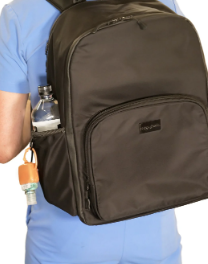
When it comes to demanding professions, few equipment choices matter more than selecting the right backpack. Nurses and healthcare workers spend long hours on their feet, move frequently between departments, and often carry essential supplies throughout busy shifts. A reliable backpack becomes more than simple storage—it becomes a daily tool that supports comfort, organization, and efficiency in fast-paced healthcare environments. Backpacks for Nurses and Healthcare Workers
Healthcare professionals commonly carry multiple items during a shift, including work essentials, meals, electronics, documents, uniforms, and personal belongings. Choosing a backpack designed around organization, durability, and comfort can significantly improve daily routines while reducing unnecessary stress. Backpacks for Nurses and Healthcare Workers
When selecting a backpack for healthcare work, important priorities often include: Backpacks for Nurses and Healthcare Workers
* Comfortable carrying systems Backpacks for Nurses and Healthcare Workers
* Practical organization Backpacks for Nurses and Healthcare Workers
* Durable materials Backpacks for Nurses and Healthcare Workers
* Easy cleaning Backpacks for Nurses and Healthcare Workers
* Lightweight construction Backpacks for Nurses and Healthcare Workers
* Versatile storage Backpacks for Nurses and Healthcare Workers
The right backpack balances functionality with comfort while supporting long working hours. Backpacks for Nurses and Healthcare Workers
—
# Why Backpack Choice Matters for Healthcare Workers
Healthcare environments require constant movement.
Workers frequently travel between:
* Patient rooms
* Nursing stations
* Offices
* Break rooms
* Departments
Long shifts create unique demands.
A well-designed backpack improves:
* Organization
* Efficiency
* Mobility
* Comfort
Small improvements matter during busy days.
—
# Organization Is Essential During Long Shifts
Healthcare workers carry many different items.
Common examples include:
* Water bottles
* Snacks and meals
* Documents
* Chargers
* Electronics
* Extra clothing
Organization saves time.
Fast access becomes important.
—
# Why Multiple Compartments Matter
Organized layouts help separate items.
Useful compartments may store:
* Clean clothing
* Work supplies
* Personal belongings
* Electronics
* Food containers
## Benefits of Better Organization
Structured storage may improve:
* Accessibility
* Packing speed
* Daily efficiency
Organization reduces frustration.
Prepared workers move faster.
—
# Comfort for Extended Carrying
Long shifts already create physical fatigue.
Backpack comfort becomes extremely important.
Useful comfort features often include:
* Adjustable straps
* Lightweight materials
* Padded support
* Breathable construction
Comfort supports endurance.
—
# Why Ergonomics Matter
Better ergonomic systems may improve:
* Posture
* Weight distribution
* Carry comfort
Long hours amplify discomfort.
Support systems reduce strain.
—
# Lightweight Construction for Busy Schedules
Heavy backpacks increase fatigue.
Healthcare professionals already spend hours walking.
Reducing unnecessary weight helps.
## Why Lightweight Designs Matter
Lighter backpacks may improve:
* Mobility
* Energy efficiency
* Everyday comfort
Less weight means easier movement.
Efficiency matters.
—
# Storage for Food and Hydration
Long shifts require preparation.
Workers often bring:
* Meals
* Snacks
* Drinks
* Supplements
Dedicated storage improves convenience.
—
# Why Food Organization Matters
Separate storage may improve:
* Cleanliness
* Organization
* Accessibility
Busy schedules make quick access valuable.
Preparation supports productivity.
—
# Device Protection for Modern Healthcare Workers
Technology plays an important role.
Many professionals carry:
* Phones
* Tablets
* Laptops
* Chargers
Protective storage matters.
—
# Why Electronics Protection Matters
Protective compartments may reduce:
* Scratches
* Equipment movement
* Damage risks
Devices often support both work and personal life.
Protection improves reliability.
—
# Easy-to-Clean Materials for Healthcare Environments
Healthcare environments demand cleanliness.
Backpacks encounter:
* Frequent handling
* Shared spaces
* Daily exposure to busy environments
Easy maintenance becomes valuable.
—
# Why Easy Cleaning Matters
Simple cleaning routines may improve:
* Hygiene
* Product lifespan
* Daily usability
Practical materials simplify maintenance.
Clean gear feels better to use.
—
# Durability for Everyday Use
Healthcare professionals use backpacks constantly.
Daily use creates wear through:
* Repeated loading
* Frequent transportation
* Heavy use schedules
Durability becomes essential.
—
# Construction Features Worth Prioritizing
Reliable backpacks often emphasize:
* Reinforced stitching
* Durable materials
* Strong zippers
* Wear-resistant construction
## Why Durability Matters
Strong construction may improve:
* Product lifespan
* Reliability
* Long-term value
Reliable gear reduces replacement costs.
—
# Security and Personal Item Protection
Healthcare environments can be busy.
Workers often carry valuable items.
Important belongings may include:
* Wallets
* Keys
* Identification badges
* Electronics
Protective storage adds convenience.
—
# Why Security Features Matter
Secure storage may improve:
* Organization
* Peace of mind
* Convenience
Prepared storage reduces stress.
Small details matter.
—
# Versatility Beyond Work
Healthcare workers often transition quickly between activities.
Many backpacks also support:
* Commuting
* School programs
* Travel
* Fitness routines
Versatility increases usefulness.
—
# Why Multi-Purpose Designs Matter
Flexible backpacks provide:
* Better value
* Greater convenience
* More usability
One backpack often serves multiple needs.
Adaptability matters.
—
# Professional Appearance and Style
Appearance still matters in professional environments.
Many users prefer designs that feel:
* Clean
* Minimalist
* Professional
* Functional
Style supports confidence.
Professional designs remain versatile.
—
# Common Buying Mistakes
Some mistakes occur frequently.
Examples include:
* Prioritizing appearance only
* Ignoring comfort systems
* Choosing oversized bags
* Overlooking organization features
Better planning improves satisfaction.
Functionality should lead decisions.
—
# Maintenance Tips for Longer Lifespan
Regular care improves performance.
Helpful habits include:
* Cleaning frequently
* Emptying unnecessary items
* Inspecting zippers
* Avoiding overloading
Maintenance protects long-term value.
Care extends usability.
—
# Why Choose This Product?
Backpacks designed for healthcare professionals provide several advantages.
Major benefits include:
* Better organization
* Improved comfort
* Enhanced durability
* Easier maintenance
* Lightweight performance
* Greater versatility
Well-designed backpacks simplify demanding routines.
Comfort and efficiency become essential.
—
# Conclusion
Healthcare professionals face demanding schedules that require reliable equipment capable of supporting long shifts and constant movement. Choosing the right backpack involves balancing comfort, organization, durability, and practicality while ensuring it fits daily workflows.
Features such as ergonomic support systems, organized storage compartments, lightweight construction, easy-clean materials, and durable designs significantly improve usability during busy schedules. A thoughtfully chosen backpack reduces stress, improves efficiency, and supports better organization throughout the workday.
As healthcare roles continue evolving and workloads remain demanding, practical backpacks designed around comfort and function become increasingly valuable.
For nurses and healthcare workers seeking improved organization and comfort during long shifts, investing in the right backpack remains a practical decision that supports everyday performance.
