
Post
Backpacks for Photography: How to Carry Camera Gear Safely and Efficiently
May
# Backpacks for Photography: How to Carry Camera Gear Safely and Efficiently Backpacks for Photography

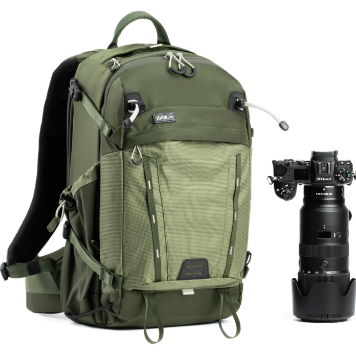
When it comes to photography equipment and travel essentials, few investments matter more than selecting the right backpack. Cameras and accessories are expensive, delicate, and often carried across long distances, making proper transportation extremely important. Whether you are a professional photographer, content creator, hobbyist, or traveler documenting experiences, the right backpack becomes more than storage—it becomes part of your workflow. Backpacks for Photography
Photography gear collections continue growing. A modern photographer may carry multiple camera bodies, lenses, drones, batteries, memory cards, laptops, filters, tripods, and charging equipment all at once. Without proper organization and protection, transporting these items can quickly become frustrating and risky. Backpacks for Photography
A photography backpack should focus on several key areas: Backpacks for Photography
* Equipment protection Backpacks for Photography
* Accessibility Backpacks for Photography
* Weight distribution Backpacks for Photography
* Weather resistance Backpacks for Photography
* Storage flexibility Backpacks for Photography
* Long-term comfort Backpacks for Photography
The right backpack allows photographers to focus more on creativity and less on equipment management. Backpacks for Photography
—
# Why Specialized Photography Backpacks Matter
Ordinary backpacks are not built for fragile camera equipment.
Photographers regularly face challenges such as:
* Equipment damage risks
* Poor organization
* Slow gear access
* Carry discomfort
* Environmental exposure
Specialized photography backpacks solve many of these issues through dedicated storage systems.
Good carrying systems improve:
* Workflow efficiency
* Equipment safety
* Mobility
* Confidence while traveling
Photography equipment deserves stronger protection than standard storage solutions.
—
# Protecting Expensive Camera Equipment
Camera equipment represents a major investment.
Damage often occurs during:
* Transportation
* Travel
* Outdoor activities
* Equipment changes
* Crowded environments
Protection should always remain the highest priority.
—
# Internal Padding and Protective Systems
Protective interiors separate photography backpacks from standard bags.
Common protective features include:
* Foam padding
* Adjustable dividers
* Shock absorption systems
* Reinforced compartments
## Why Padding Matters
Good protection may help reduce:
* Lens collisions
* Camera scratches
* Equipment movement
* Impact damage
Well-designed interiors improve equipment lifespan.
Protection prevents unnecessary repair costs.
—
# Organizing Camera Gear Efficiently
Photography often requires quick decisions.
Poor organization creates delays.
Photographers frequently carry:
* Camera bodies
* Prime lenses
* Zoom lenses
* Batteries
* Cleaning kits
* Cables
Organization directly affects efficiency.
—
# Modular Storage Systems
Flexible layouts improve usability.
Adjustable systems allow photographers to:
* Rearrange gear
* Adapt to different projects
* Expand storage flexibility
## Benefits of Flexible Organization
Good organization improves:
* Packing speed
* Gear accessibility
* Workflow efficiency
Flexibility becomes important when equipment changes frequently.
—
# Accessibility and Fast Equipment Access
Missing a shot often happens because equipment is difficult to reach.
Backpack access systems matter.
Photographers value:
* Side access
* Quick-open compartments
* Top loading sections
* Easy-access pockets
Speed matters.
—
# Why Quick Access Improves Photography
Faster access helps photographers:
* Capture unexpected moments
* Change lenses quickly
* Reduce interruptions
Photography opportunities often disappear quickly.
Accessibility improves results.
—
# Carry Comfort During Long Sessions
Photography equipment becomes heavy surprisingly fast.
Large kits increase fatigue.
Comfort directly affects productivity.
## Important Comfort Features
Useful support systems often include:
* Adjustable shoulder straps
* Chest straps
* Back padding
* Weight-balancing designs
These features reduce:
* Shoulder pressure
* Neck strain
* Carry fatigue
Comfort supports longer sessions.
—
# Weight Distribution and Load Balance
Improper balance creates discomfort.
Photography backpacks must distribute weight correctly.
## Why Balance Matters
Balanced systems may improve:
* Stability
* Posture
* Mobility
Better balance improves endurance.
Heavy loads require support.
—
# Weather Resistance and Outdoor Protection
Photography rarely happens only indoors.
Outdoor conditions create challenges.
Photographers often face:
* Rain
* Dust
* Snow
* Humidity
Protective materials improve reliability.
—
# Why Environmental Protection Matters
Weather protection may help reduce:
* Moisture damage
* Dust exposure
* Equipment contamination
Outdoor photographers especially benefit.
Protection increases confidence.
—
# Travel Photography Requirements
Travel photography creates additional challenges.
Photographers frequently move through:
* Airports
* Public transportation
* Hiking routes
* Urban environments
Travel-friendly designs improve mobility.
—
# Compact Yet Efficient Packing
Travel backpacks should balance size and functionality.
Important considerations include:
* Efficient layouts
* Compact dimensions
* Lightweight materials
## Why Efficient Packing Matters
Good packing systems improve:
* Mobility
* Organization
* Carry comfort
Travel becomes easier with optimized storage.
—
# Security for Expensive Equipment
Photography equipment attracts attention.
Security becomes essential.
Protective systems often include:
* Hidden compartments
* Secure closures
* Internal organization
* Equipment concealment
## Why Security Matters
Security features may improve:
* Equipment safety
* Peace of mind
* Travel confidence
Protection extends beyond padding.
—
# Laptop and Editing Equipment Storage
Modern photography workflows involve more than cameras.
Many photographers carry:
* Laptops
* Hard drives
* Tablets
* Card readers
Dedicated storage improves efficiency.
Technology integration matters.
—
# Choosing a Backpack for Your Photography Style
Different photographers need different setups.
Examples include:
**Travel photographers**
Need lightweight versatility.
**Wildlife photographers**
Need larger storage systems.
**Street photographers**
Need quick access.
**Landscape photographers**
Need weather resistance.
Choosing based on shooting style improves usability.
—
# Durability for Frequent Travel
Photography gear moves constantly.
Backpacks must withstand:
* Frequent loading
* Outdoor exposure
* Heavy equipment
## Durability Features to Prioritize
Reliable backpacks often emphasize:
* Reinforced stitching
* Strong materials
* Quality zippers
* Abrasion resistance
Durability improves long-term value.
Reliable gear lasts longer.
—
# Maintenance Tips for Photography Backpacks
Backpacks require maintenance.
Useful habits include:
* Cleaning interiors regularly
* Removing dust buildup
* Drying after wet conditions
* Inspecting padding
Maintenance protects equipment.
Care improves longevity.
—
# Common Mistakes Buyers Make
Some mistakes happen repeatedly.
Examples include:
* Buying oversized bags
* Ignoring comfort
* Prioritizing style over function
* Underestimating future gear growth
Planning ahead improves purchases.
Smart choices reduce replacement costs.
—
# Why Choose This Product?
A quality photography backpack offers important advantages.
Major benefits include:
* Better equipment protection
* Improved organization
* Comfortable carrying systems
* Faster gear access
* Greater travel flexibility
* Increased equipment security
A specialized backpack improves both safety and productivity.
Protection and efficiency work together.
—
# Conclusion
Photography backpacks are more than storage solutions—they are essential tools that influence workflow, mobility, and equipment safety. Selecting the right backpack requires balancing protection, accessibility, comfort, organization, and environmental resistance.
Features such as padded compartments, weather protection, ergonomic carrying systems, modular layouts, and security-focused designs significantly improve how photographers work and travel. As equipment collections expand and photography becomes increasingly mobile, specialized backpacks continue becoming more valuable.
Whether shooting professionally, exploring new cities, hiking remote landscapes, or creating content daily, a well-designed photography backpack makes carrying gear safer and more efficient.
For photographers looking to protect expensive equipment while improving comfort and organization, investing in the right backpack remains one of the smartest gear decisions possible.
