
Post
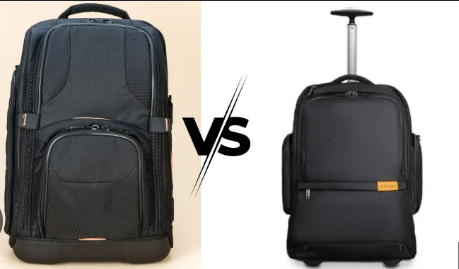
Travel Backpacks vs. Rolling Luggage: Which Is Right for You?
May
Here is the rewritten article following your requested structure and expanded to approximately 1000+ words. Travel Backpacks vs. Rolling Luggage

# Travel Backpacks vs. Rolling Luggage: Which Is Right for You?
When it comes to choosing travel gear, few decisions matter more than selecting between a travel backpack and rolling luggage. Both options have loyal supporters, and both offer unique advantages depending on travel style, destination, comfort preferences, and packing habits. The right choice can significantly improve mobility, organization, convenience, and overall travel experiences. Travel Backpacks vs. Rolling Luggage
Modern travelers face increasingly diverse situations, from crowded airports and train stations to cobblestone streets, mountain trails, public transportation systems, and remote destinations. Because travel conditions vary so widely, understanding the strengths and limitations of each option helps travelers choose gear that truly fits their needs. Travel Backpacks vs. Rolling Luggage
When comparing travel backpacks and rolling luggage, important factors include: Travel Backpacks vs. Rolling Luggage
* Mobility Travel Backpacks vs. Rolling Luggage
* Storage capacity Travel Backpacks vs. Rolling Luggage
* Comfort Travel Backpacks vs. Rolling Luggage
* Organization Travel Backpacks vs. Rolling Luggage
* Durability Travel Backpacks vs. Rolling Luggage
* Travel environment Travel Backpacks vs. Rolling Luggage
The best choice depends on how, where, and why you travel. Travel Backpacks vs. Rolling Luggage
—
# Understanding Travel Backpacks
Travel backpacks prioritize mobility.
Unlike traditional luggage, backpacks distribute weight across the body and allow hands-free movement.
Common characteristics include:
* Shoulder carrying systems
* Flexible storage layouts
* Compact profiles
* Greater portability
Mobility becomes a major advantage.
—
# Why Travelers Choose Backpacks
Travel backpacks may improve:
* Freedom of movement
* Transportation flexibility
* Travel efficiency
Hands-free carrying creates convenience.
Mobility supports exploration.
—
# Understanding Rolling Luggage
Rolling luggage focuses on convenience through wheels and structured designs.
Common characteristics include:
* Wheeled mobility
* Structured storage
* Hard or soft shells
* Upright designs
Rolling systems reduce physical strain.
—
# Why Travelers Choose Rolling Luggage
Rolling luggage may improve:
* Carry comfort
* Packing simplicity
* Equipment protection
Wheels reduce lifting demands.
Convenience matters.
—
# Mobility Comparison
Movement requirements vary greatly.
Travel backpacks perform well in:
* Uneven terrain
* Crowded spaces
* Public transportation
* Outdoor environments
Rolling luggage performs well on smooth surfaces.
—
# Why Mobility Matters
Mobility may improve:
* Travel speed
* Flexibility
* Comfort
Different environments require different solutions.
Adaptability matters.
—
# Comfort and Physical Effort
Comfort affects long trips.
Backpacks place weight on the body.
Rolling luggage reduces lifting during movement.
Each system creates trade-offs.
—
# Why Comfort Matters
Comfort-focused choices may improve:
* Endurance
* Energy conservation
* Travel experiences
Physical demands vary between travelers.
Personal preference matters.
—
# Storage and Packing Efficiency
Organization influences usability.
Backpacks typically emphasize:
* Flexible compartments
* Compression systems
* Expandable storage
Rolling luggage often emphasizes:
* Structured layouts
* Larger packing spaces
* Easier clothing storage
Packing style affects decisions.
—
# Why Storage Matters
Good storage systems may improve:
* Accessibility
* Organization
* Packing speed
Efficient systems reduce frustration.
—
# Airport and Transportation Performance
Transportation environments create challenges.
Backpacks perform well during:
* Transfers
* Stairs
* Crowded terminals
Rolling luggage performs well during:
* Long airport walks
* Smooth surfaces
* Organized terminals
Travel style influences performance.
—
# Why Transportation Matters
Transportation-friendly designs may improve:
* Convenience
* Speed
* Stress reduction
Movement efficiency matters.
—
# Durability and Long-Term Reliability
Travel equipment experiences heavy use.
Common stresses include:
* Rough handling
* Weather exposure
* Frequent movement
Construction quality matters.
—
# Why Durability Matters
Durable designs may improve:
* Product lifespan
* Reliability
* Long-term value
Strong gear lasts longer.
—
# Weather and Environmental Conditions
Destinations vary greatly.
Backpacks generally perform better in:
* Outdoor environments
* Rugged terrain
* Mixed transportation
Rolling luggage often performs better in:
* Urban environments
* Hotels
* Smooth pathways
Environment matters.
—
# Why Environment Matters
Environmental compatibility may improve:
* Comfort
* Efficiency
* Travel flexibility
Preparation improves experiences.
—
# Security Considerations
Travelers often carry expensive items.
Important concerns include:
* Theft prevention
* Equipment protection
* Accessibility control
Security matters.
—
# Why Security Features Matter
Protective features may improve:
* Peace of mind
* Equipment safety
* Travel confidence
Organization supports security.
—
# Weight Considerations
Weight affects usability.
Backpacks distribute loads.
Rolling luggage transfers weight to wheels.
Each system creates different physical demands.
—
# Why Weight Matters
Balanced weight management may improve:
* Comfort
* Mobility
* Endurance
Heavy equipment creates fatigue.
Efficiency matters.
—
# Best Situations for Travel Backpacks
Backpacks often work best for:
* Adventure travel
* Backpacking trips
* Public transportation use
* Flexible itineraries
Mobility becomes valuable.
—
# Why Backpacks Excel in Certain Situations
Travel backpacks may improve:
* Freedom of movement
* Adaptability
* Versatility
Dynamic trips benefit from flexibility.
—
# Best Situations for Rolling Luggage
Rolling luggage often performs better for:
* Business trips
* Hotel-based travel
* Short city visits
* Heavy packing needs
Convenience becomes important.
—
# Why Rolling Luggage Excels in Certain Situations
Rolling systems may improve:
* Comfort
* Organization
* Ease of transport
Structured travel supports wheels.
—
# Common Buying Mistakes
Travelers frequently make similar mistakes.
Examples include:
* Choosing oversized luggage
* Ignoring comfort
* Prioritizing appearance only
* Underestimating destination challenges
Preparation improves decisions.
—
# Maintenance and Care
Travel gear requires maintenance.
Helpful habits include:
* Cleaning regularly
* Inspecting stress points
* Checking moving parts
* Organizing contents
Maintenance protects investments.
—
# Why Choose This Product?
Both travel backpacks and rolling luggage provide advantages.
Major benefits include:
* Better organization
* Improved mobility
* Increased convenience
* Enhanced comfort
* Greater travel efficiency
* Better equipment protection
Choosing correctly improves experiences.
Functionality matters.
—
# Conclusion
Choosing between travel backpacks and rolling luggage depends on travel style, destinations, comfort preferences, and personal priorities. Travel backpacks offer flexibility, mobility, and adaptability, making them ideal for active travelers and changing environments. Rolling luggage provides structured organization and reduced physical strain, making it suitable for urban travel and business trips.
Features such as storage organization, comfort systems, durability, and transportation compatibility all influence which option performs better for different travelers.
As travel continues evolving, there is no universal answer. The best solution is the one that supports your itinerary, packing habits, and movement needs.
Selecting the right travel system ultimately means choosing equipment that helps you move comfortably, stay organized, and enjoy every part of the journey.
